
LogoWITNESS
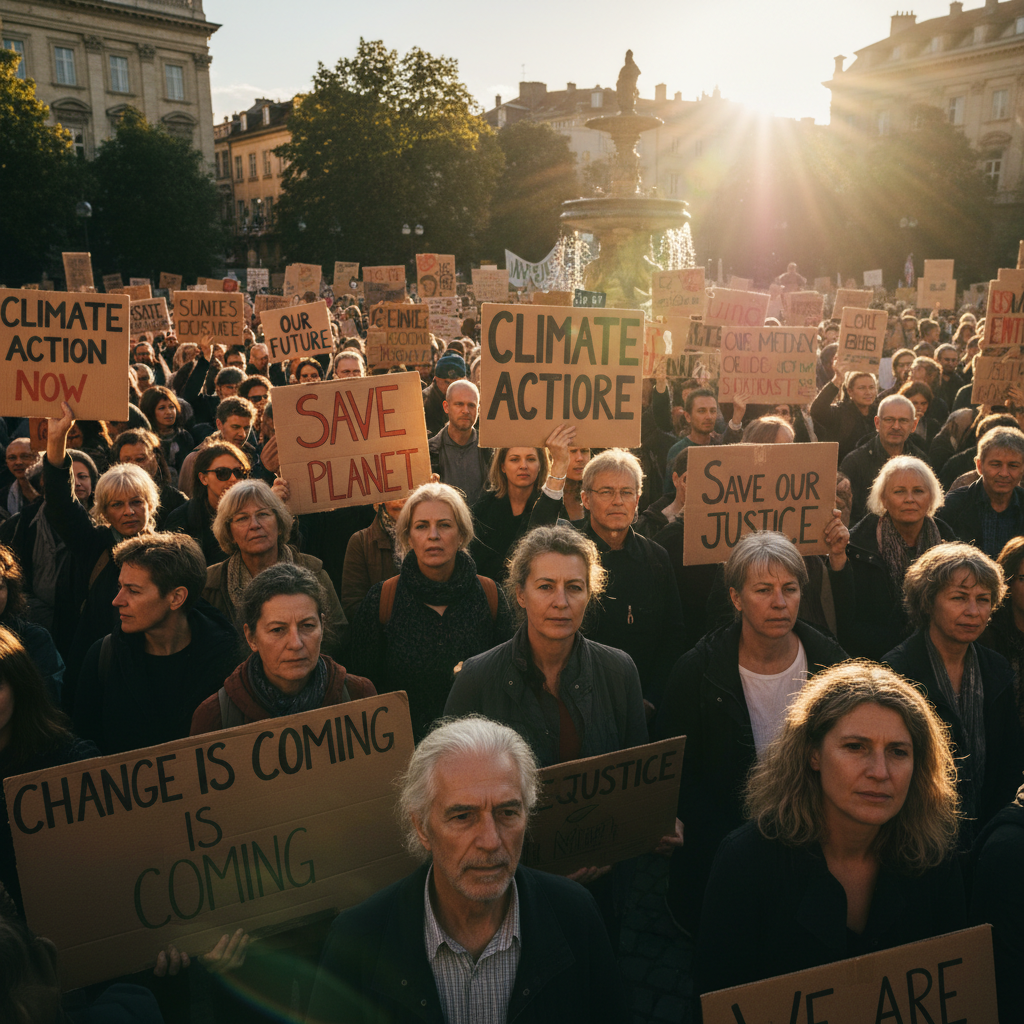
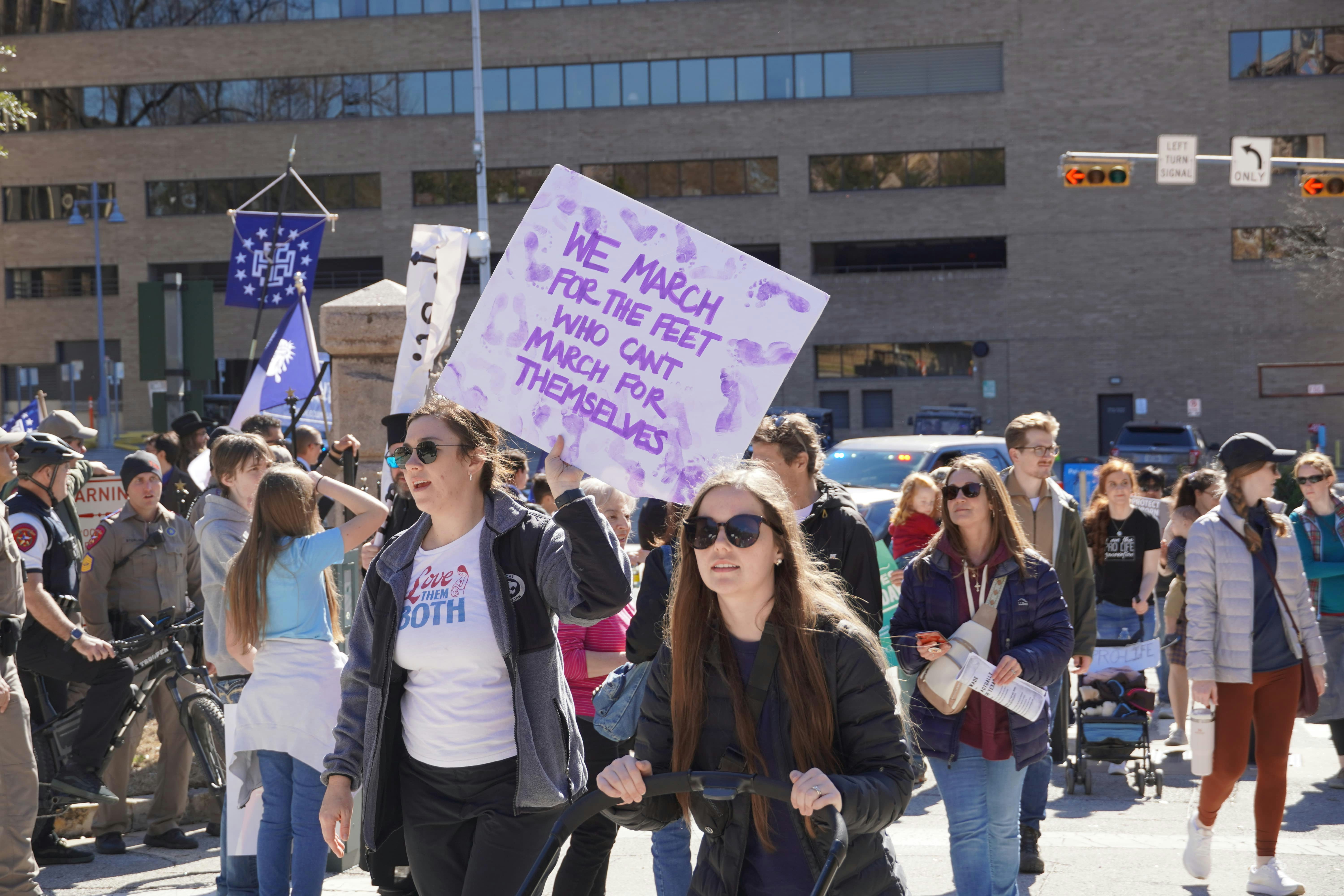
Protesters holding handwritten signs at a civil rights demonstration, faces determined, late afternoon light
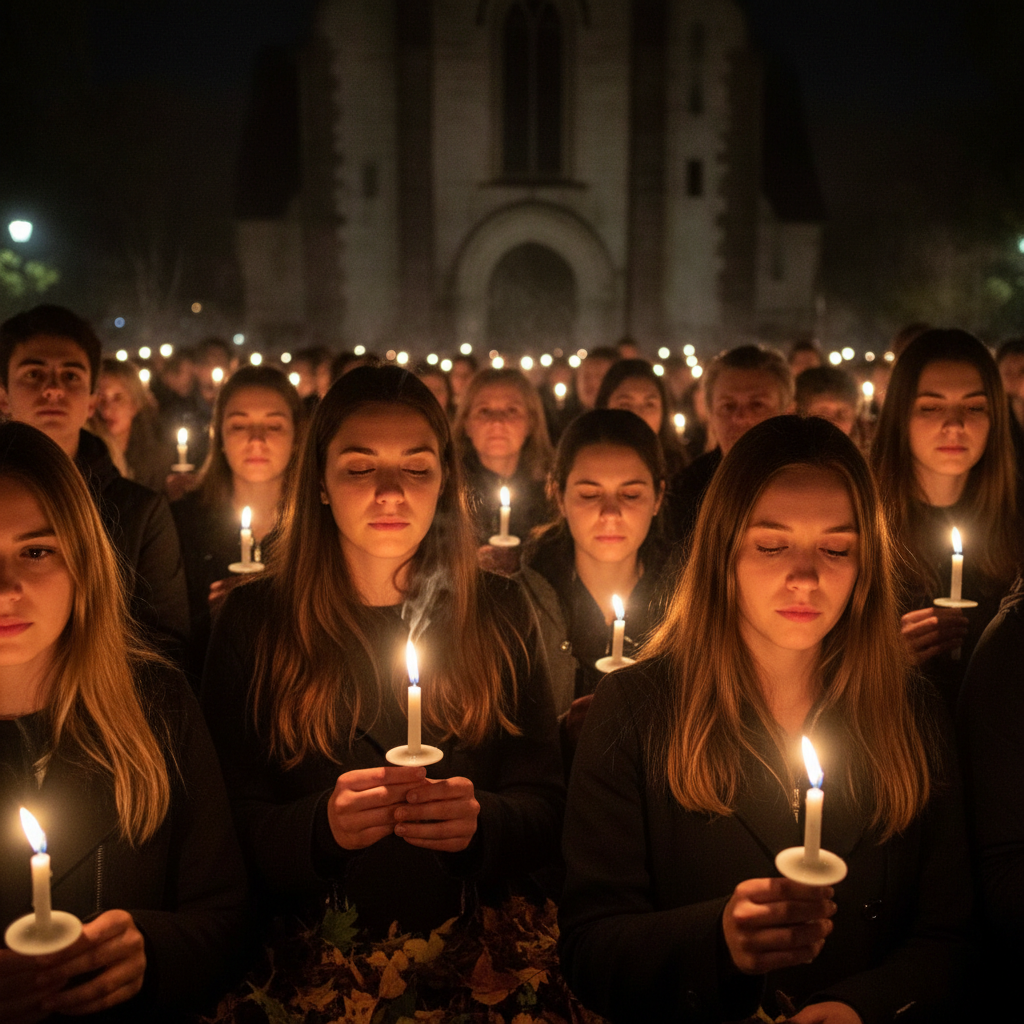
Candlelit vigil at night, dozens of faces illuminated by small flames held aloft in darkness
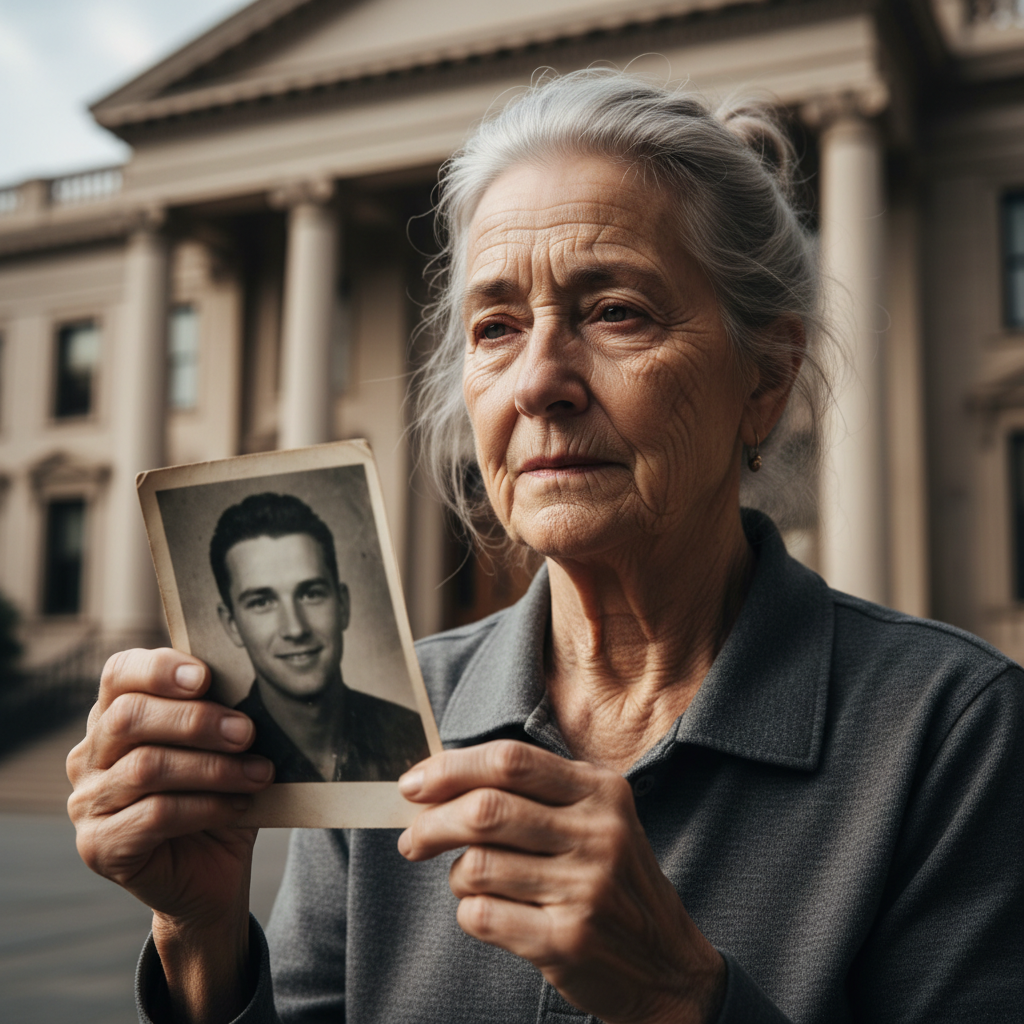
Elderly woman holding a photograph of a missing family member outside a courthouse
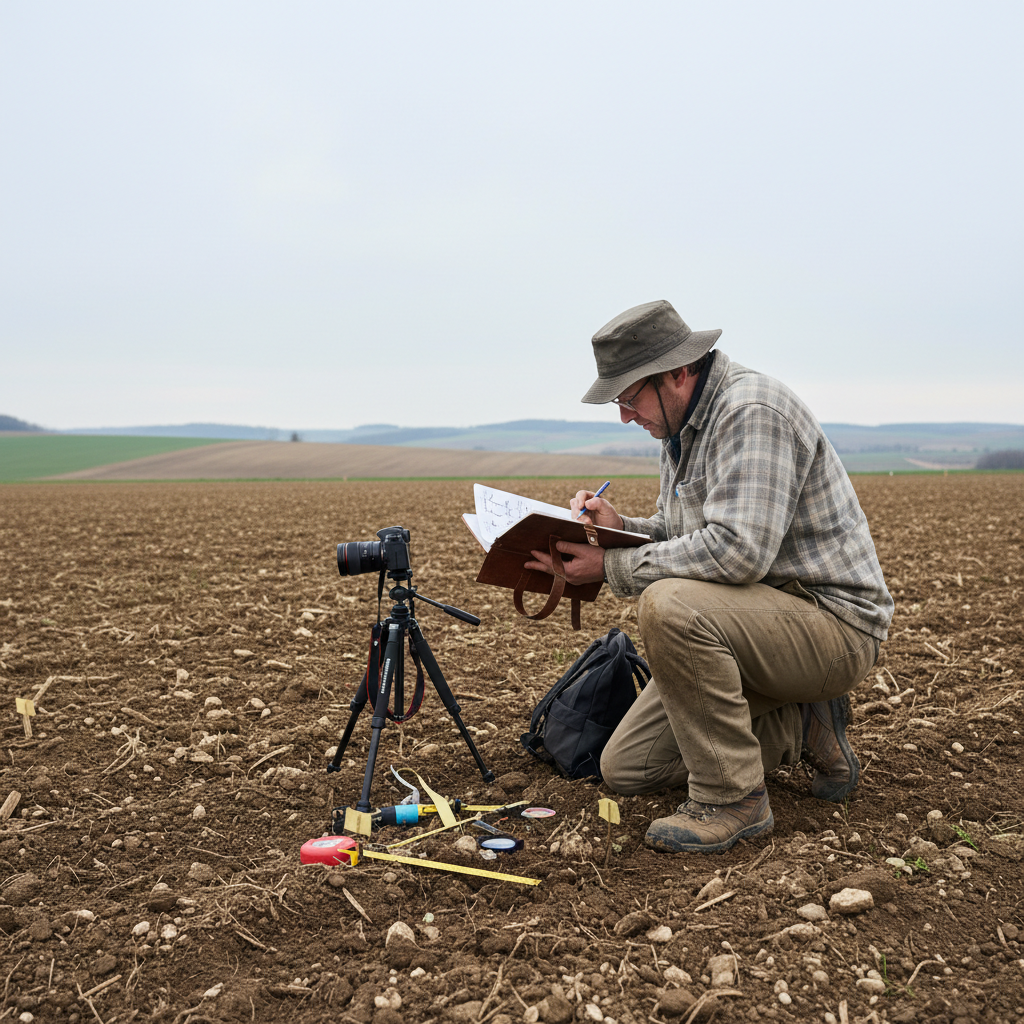
Field worker documenting evidence in a rural area, notebook open, overcast sky above
Two people in conversation at a refugee support center, hands gesturing, earnest expressions
Protest march seen from above, crowd stretching down a city street, banners visible
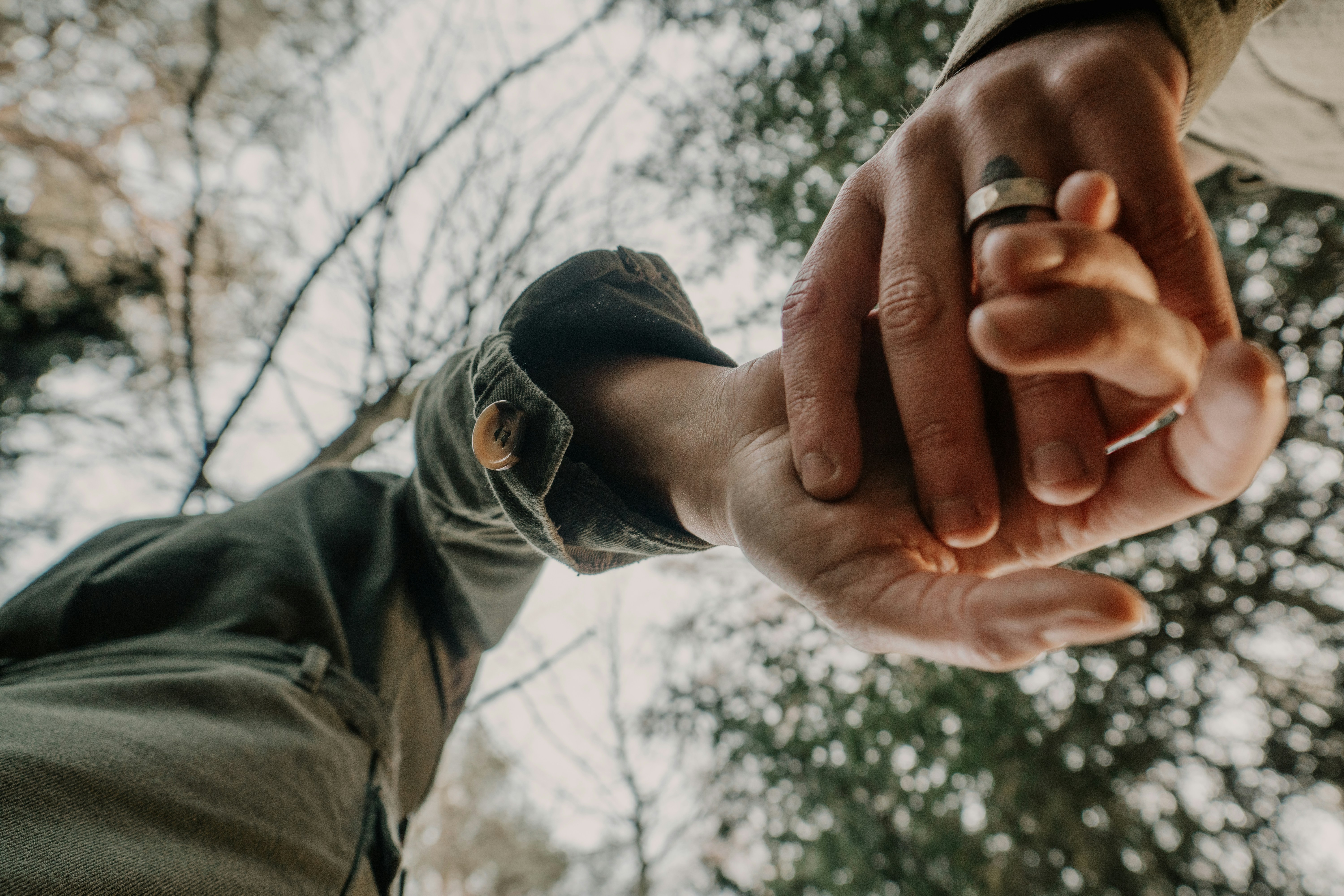
Human hands clasped together in solidarity against a blurred outdoor background

These are not stock photos. These are witnesses.

Scroll to understand
Documented Cases · 2024
0million

people currently living under documented state-sanctioned persecution with no access to international legal remedy.

Source: UN Human Rights Council Report A/HRC/55/2, March 2024
Field Documentation

When evidence is the only protection

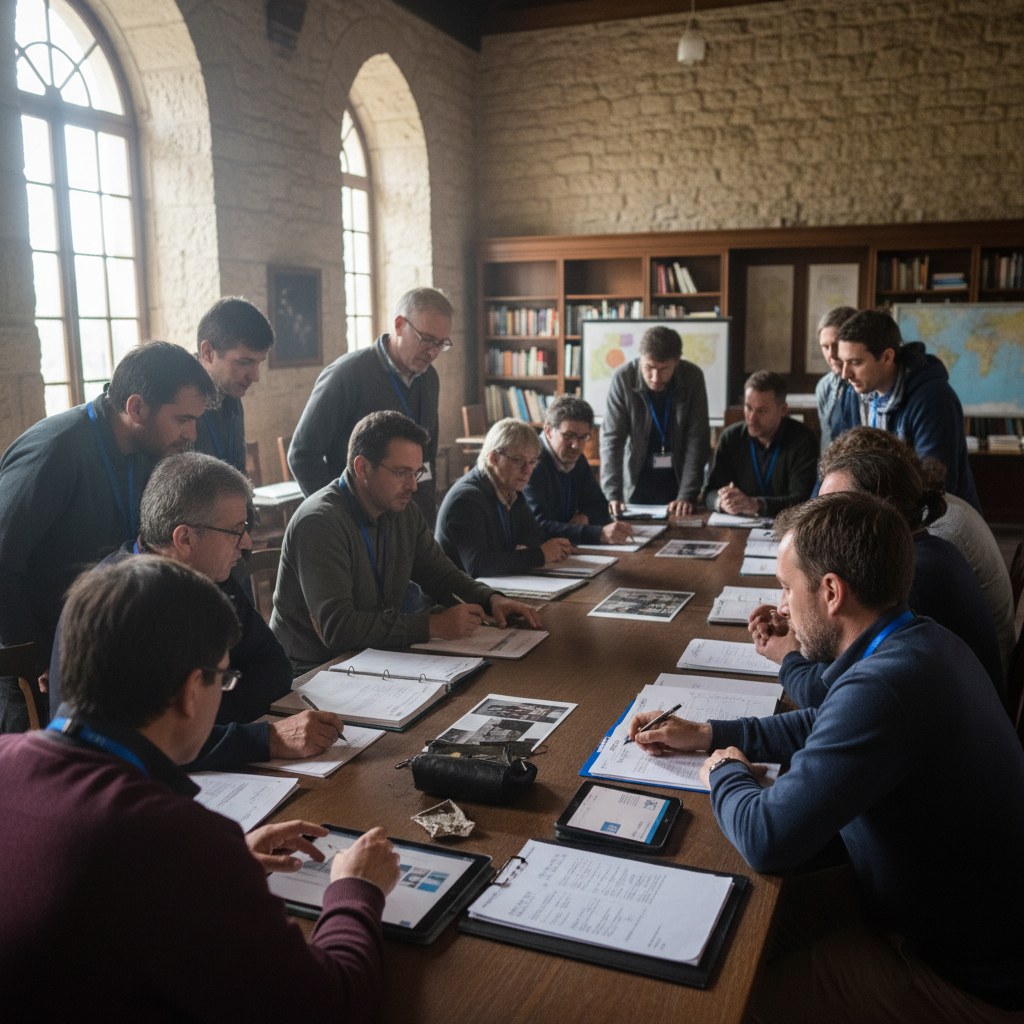
Field documentation session — community members reviewing evidence with human rights investigators around a table

In 2021, the village of Marawa was surrounded at dawn.

"The phone footage was grainy. The testimony was not. Together they were enough to open a formal investigation."

— Dr. Amara Diallo, Senior Investigator, International Documentation Unit

Case Study — Marawa District

From violation to verdict

How mobile phones, encrypted servers, and persistent legal advocacy turned a single community's testimony into an international tribunal. Select each node to read the record.

ViolationMarch 4, 2021

Security forces surrounded three villages before dawn. Approximately 2,400 residents were ordered to evacuate within 40 minutes. Homes were subsequently demolished. No prior legal notice was issued.

"They came with trucks and lists. My name was on the list. I did not know what that meant until the bulldozers arrived."

Kofi Mensah, resident, age 54

DocumentationMarch 5–18, 2021

Four local journalists and two NGO field workers gathered 340 photographs, 18 video testimonies, and GPS coordinates of 47 demolished structures. Evidence was encrypted and transmitted to a secure off-country server within 72 hours.

"We had maybe six hours before network access was cut. We worked in shifts. No one slept."

Fatima Osei, field documentarian

Legal ActionApril 2021 – January 2022

A coalition of three international human rights organizations filed a formal communication to the African Commission, citing violations of Articles 14, 16, and 18 of the African Charter. The filing included 847 pages of verified documentation.

DocumentationSeptember 2022

The UN Special Rapporteur on the Rights of Indigenous Peoples conducted a 12-day on-site investigation. The subsequent report, A/HRC/51/28/Add.2, confirmed all primary findings and recommended immediate accountability measures.

"The documentation gathered by local journalists was, frankly, the most thorough we have seen in a case of this scale. It made our work possible."

Statement, Office of the Special Rapporteur

TribunalApril 2024

The International Criminal Court Pre-Trial Chamber II authorized an investigation into the situation. Three senior officials have been named in sealed warrants. Trial proceedings are scheduled to begin in the third quarter of 2025.

The record is complete. The reading is not.

You now know enough to demand more.

The full report contains 214 pages of verified testimony, photographic evidence, legal analysis, and the names of those responsible. It has been submitted to six international bodies. It has been read by fewer people than it should.

Read the Full Report
214
Pages
89
Testimonies
23
Countries
6
Languages